

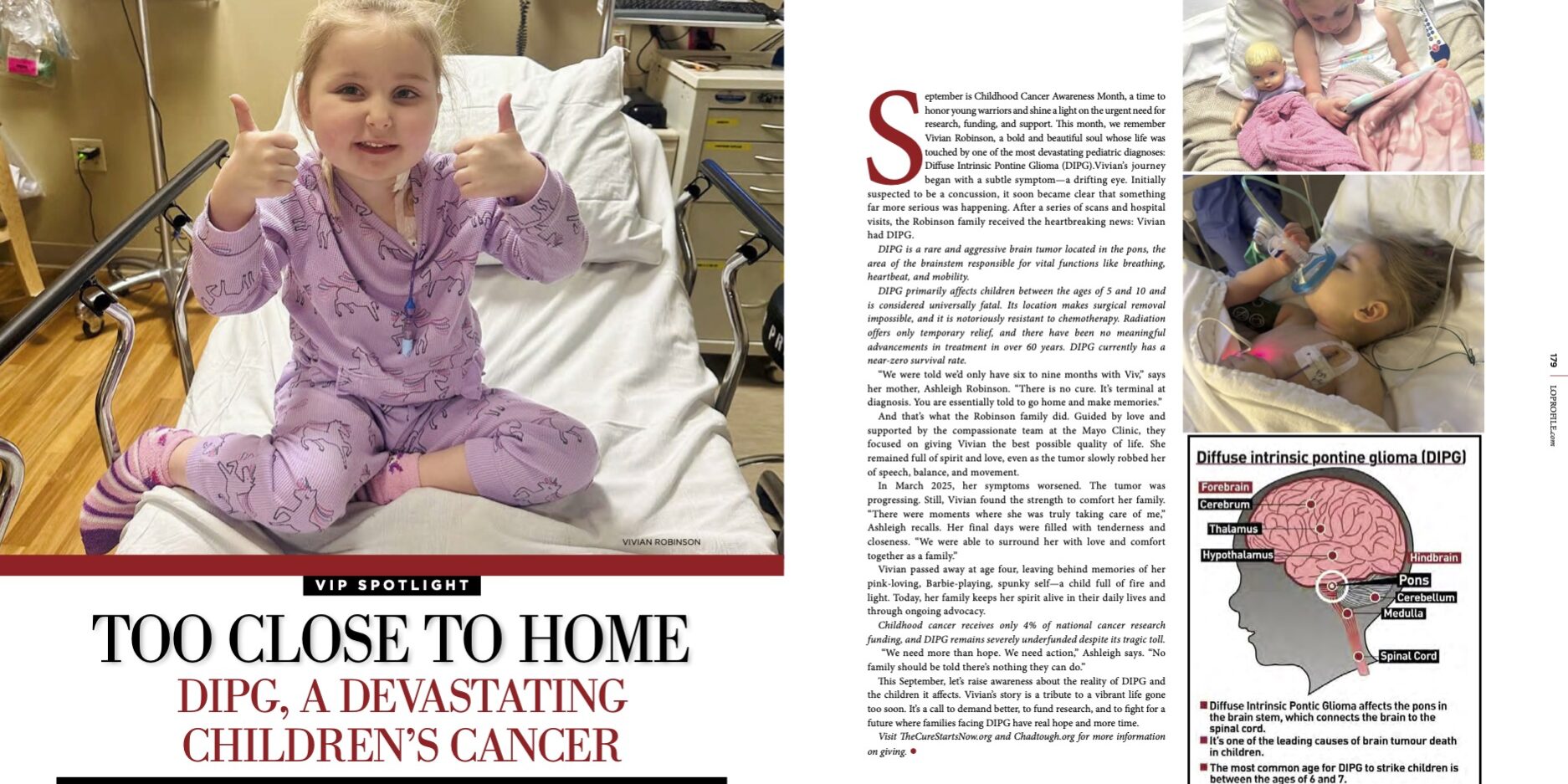
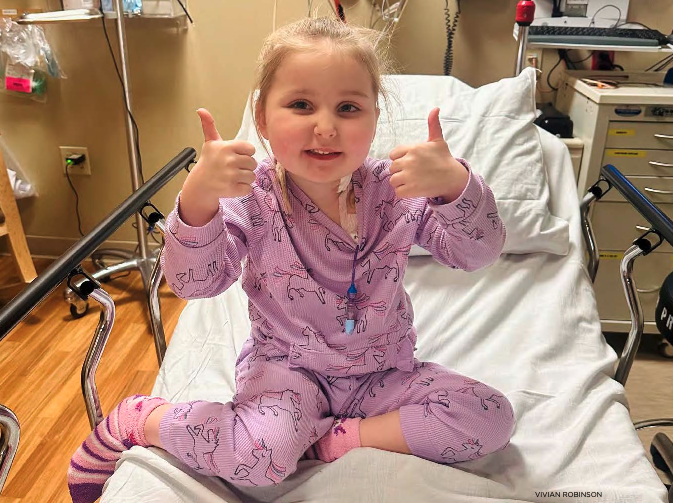
 September is Childhood Cancer Awareness Month, a time to honor young warriors and shine a light on the urgent need for research, funding, and support. This month, we remember Vivian Robinson, a bold and beautiful soul whose life was touched by one of the most devastating pediatric diagnoses: Diffuse Intrinsic Pontine Glioma (DIPG).Vivian’s journey began with a subtle symptom—a drifting eye. Initially suspected to be a concussion, it soon became clear that something far more serious was happening. After a series of scans and hospital visits, the Robinson family received the heartbreaking news: Vivian had DIPG.
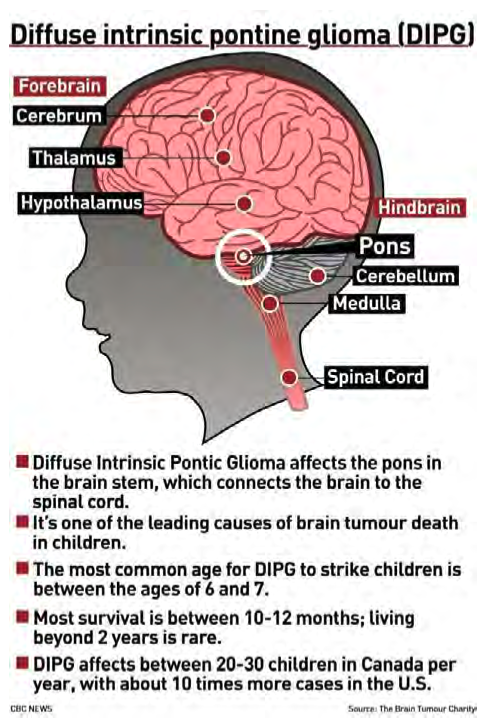
 DIPG is a rare and aggressive brain tumor located in the pons, the area of the brainstem responsible for vital functions like breathing, heartbeat, and mobility.
DIPG primarily affects children between the ages of 5 and 10 and is considered universally fatal. Its location makes surgical removal impossible, and it is notoriously resistant to chemotherapy. Radiation offers only temporary relief, and there have been no meaningful advancements in treatment in over 60 years. DIPG currently has a near-zero survival rate.
“We were told we’d only have six to nine months with Viv,” says her mother, Ashleigh Robinson. “There is no cure. It’s terminal at diagnosis. You are essentially told to go home and make memories.”
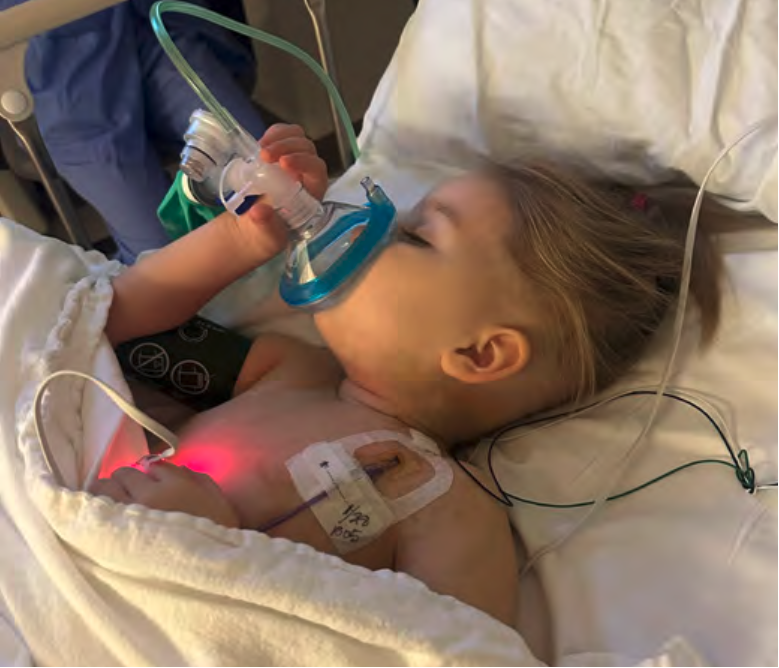 And that’s what the Robinson family did. Guided by love and supported by the compassionate team at the Mayo Clinic, they focused on giving Vivian the best possible quality of life. She remained full of spirit and love, even as the tumor slowly robbed her of speech, balance, and movement.
In March 2025, her symptoms worsened. The tumor was progressing. Still, Vivian found the strength to comfort her family. “There were moments where she was truly taking care of me,” Ashleigh recalls. Her final days were filled with tenderness and closeness. “We were able to surround her with love and comfort together as a family.”
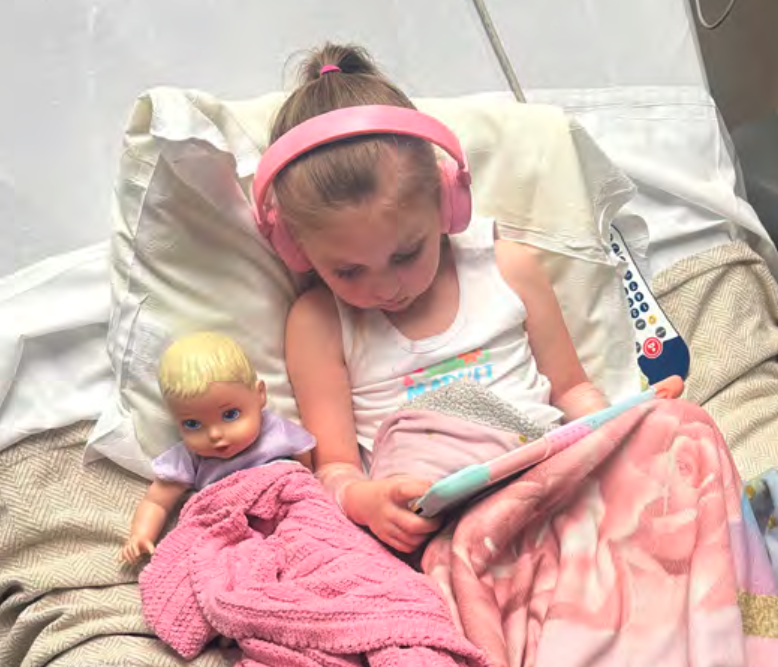
 Vivian passed away at age four, leaving behind memories of her pink-loving, Barbie-playing, spunky self—a child full of fire and light. Today, her family keeps her spirit alive in their daily lives and through ongoing advocacy.
Childhood cancer receives only 4% of national cancer research funding, and DIPG remains severely underfunded despite its tragic toll.
“We need more than hope. We need action,” Ashleigh says. “No family should be told there’s nothing they can do.”
This September, let’s raise awareness about the reality of DIPG and the children it affects. Vivian’s story is a tribute to a vibrant life gone too soon. It’s a call to demand better, to fund research, and to fight for a future where families facing DIPG have real hope and more time.
Visit TheCureStartsNow.org and Chadtough.org for more information on giving.