
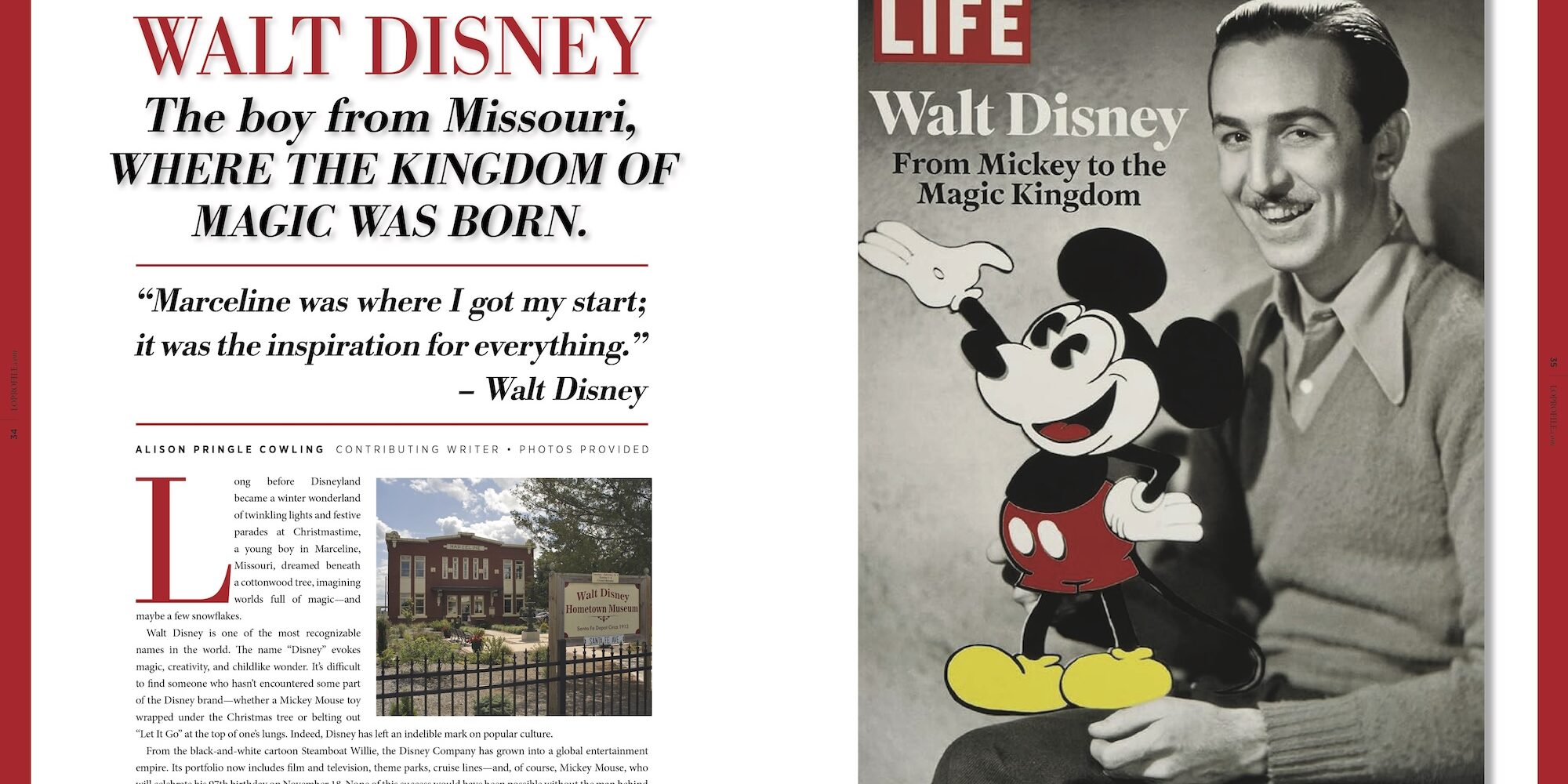
 Long before Disneyland became a winter wonderland of twinkling lights and festive parades at Christmastime, a young boy in Marceline, Missouri, dreamed beneath a cottonwood tree, imagining worlds full of magic—and maybe a few snowflakes.
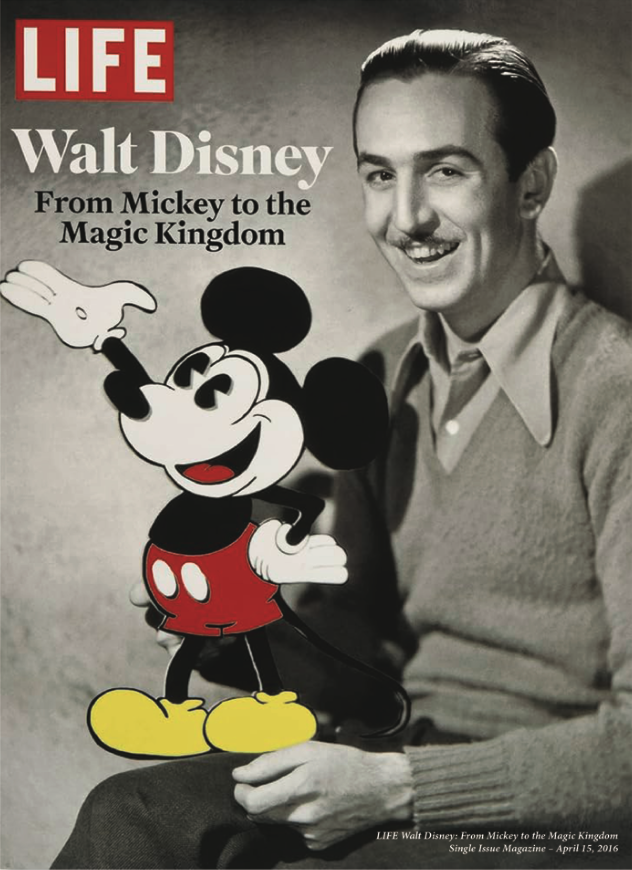
Walt Disney is one of the most recognizable names in the world. The name “Disney” evokes magic, creativity, and childlike wonder. It’s difficult to find someone who hasn’t encountered some part of the Disney brand—whether a Mickey Mouse toy wrapped under the Christmas tree or belting out “Let It Go” at the top of one’s lungs. Indeed, Disney has left an indelible mark on popular culture.
From the black-and-white cartoon Steamboat Willie, the Disney Company has grown into a global entertainment empire. Its portfolio now includes film and television, theme parks, cruise lines—and, of course, Mickey Mouse, who will celebrate his 97th birthday on November 18. None of this success would have been possible without the man behind the name, Walt Disney, and the legacy he began in 1923.
 Walt Disney was born in Chicago in 1901, to Elias and Flora Disney. Elias worked in construction, building homes and contributing labor to Chicago’s World’s Columbian Exposition (some suggest his father’s tales of this fair helped spark Walt’s later vision of immersive worlds). Before his Chicago years, Elias had been associated with the Kansas Pacific Railroad—first in a machine shop, another later inspiration for his son.
Elias and Flora moved to Florida, where Elias took jobs as a hotel manager in Daytona Beach, grew oranges, and served as a mailman in Kissimmee—ironically not far from where Walt Disney World would eventually rise. In 1890, Elias and Flora returned to Chicago, and there the family grew to include five children: Herbert, Raymond, Walter, Roy, and Ruth. Two of those children—Walt and Roy—would create one of the world’s most enduring entertainment brands.
“Marceline was where I got my start; it was the inspiration for everything.” – Walt Disney
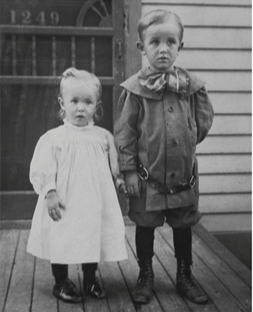 The Disney family’s next move would carry profound consequences. They relocated to the small farming and railroad community of Marceline, Missouri, in north-central Missouri, about two hours north of the Lake of the Ozarks. Elias purchased a 40-acre farm near land already owned by one of his uncles. From the age of five, young Walt spent countless hours daydreaming amid its fields and barns. Under the shade of a cottonwood tree—a tree he would later call the “Dreaming Tree”—he would sit and imagine worlds beyond his rural surroundings.
Walt’s early drawing efforts began by copying cartoons (for example, Ryan Walker’s work) from the Appeal to Reason newspapers his father brought home. Recognizing her nephew’s budding talent, Walt’s Aunt Ruth would supply him with pencils and Big Chief tablets. His first paid drawing came when a retired local doctor commissioned him to sketch a horse. Marceline nurtured Walt’s sensibilities: the love of animals, trains, nature, and small-town life. These early memories would later be embodied in Disneyland’s Main Street, U.S.A.
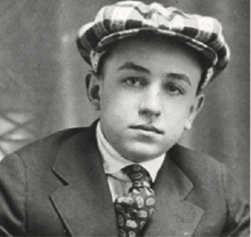 Marceline is also where the entertainment bug bit. Walt, having seen a performance of Peter Pan, was captivated by the story and the magic of flight. A few years later he played Peter Pan at Park Elementary School in Marceline. His brother Roy operated the rope and pulley system allowing Walt to take flight. However, this didn’t go exactly as planned when the rope snapped and sent Walt into the audience. Walt strongly identified with Peter Pan saying years later “No actor ever identified himself with the part he was playing more than I”. Disney acquired the rights to Peter Pan in 1939 and released the animated film in 1953.
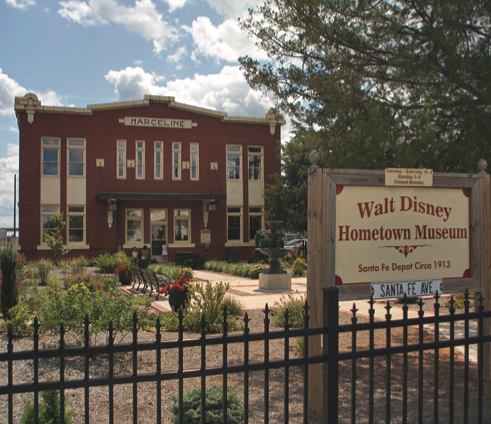
Today, that inspiration still lives just a short drive from the Lake of the Ozarks. Visitors to Marceline can wander the charming downtown (now renamed Main Street, USA), visit the Walt Disney 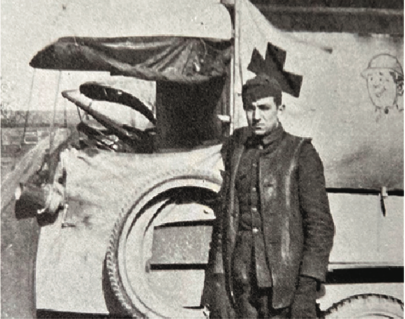 Hometown Museum, and tour the Disney Farm. Housed in the restored Santa Fe train depot, the museum holds memorabilia donated by the Disney family and collectors worldwide. It also displays family letters, presents a recreation of Walt’s first school (Park School now renamed Disney Elementary School), and features artwork by the graffiti artist Arcy, who—having grown up inspired by Disney—delights visitors by hiding Mickey ears in his pieces. Although the original Dreaming Tree is gone, guests can see a replica of the Disney barn and farmhouse on the nearby farmstead.
“When you’re curious, you find lots of interesting things to do”. — Walt Disney
 In 1911, after Elias fell ill with typhoid and pneumonia, the family decided to leave Marceline for Kansas City. Once in Kansas City, Elias bought a newspaper delivery route for The Kansas City Star, and the family began the grueling routine of early morning and then evening newspaper routes. Though exhausting, this work instilled in Walt and Roy a relentless work ethic.
At Benton Grammar School, Walt met Walter Pfeiffer, whose family loved theater. They introduced Walt to vaudeville and motion pictures—new worlds for the budding artist. Walt continued honing his craft, taking correspondence cartooning classes and attending Saturday sessions at the Kansas City Art Institute.
 Rejected from enlistment in World War I for being too young, Disney went overseas and served as an ambulance driver for the Red Cross, sketching cartoons for Stars and Stripes while in France. Back in Kansas City, Walt opened his first professional studio, Laugh-O-Gram, at 1127 East 31st Street. Though the studio failed financially, it proved fertile ground: many of the artists he recruited would later join him in Hollywood, including his longtime collaborator Ub Iwerks, who helped bring Mickey Mouse, Steamboat Willie, and The Skeleton Dance to life.
“I’m not a funny guy. I’m just a farm boy from Missouri who hides behind a duck and a mouse.” — Walt Disney
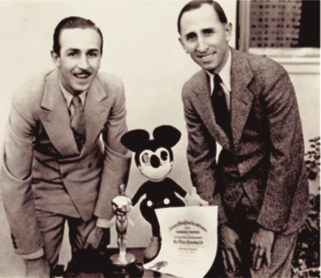
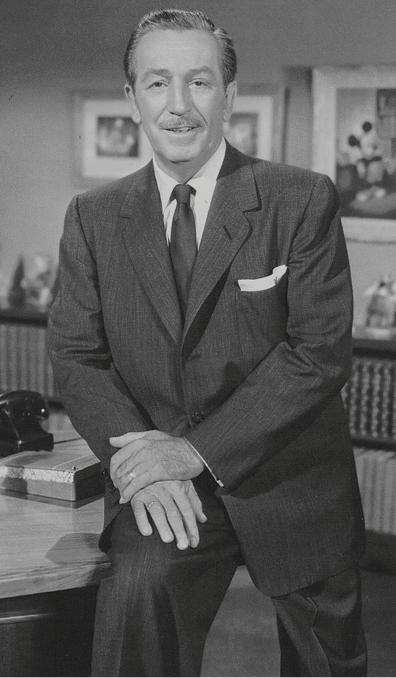 After the failure of Laugh-O-Gram, Walt was looking for a fresh start and moved to Los Angeles where his brother Roy was recovering from tuberculosis. With Walt’s visionary art and Roy’s business sense, they built the Walt Disney Company. Their partnership led to innovations in classic storytelling: the first color cartoon, the first full-length animated film, and the first animated film to win a Best Picture Oscar nomination.
Legend holds that a small mouse once scurried through Disney’s desk drawers in the studio—this gave Walt the spark for a cartoon mouse. That character would first be named Mortimer, but his wife, Lillian (whom Walt met while she worked as an ink artist), found “Mortimer” too formal. She suggested “Mickey,” and history was made.
“Growing old is mandatory; growing up is optional.” — Walt Disney
Walt Disney passed away in November 1966 from lung cancer. Over his lifetime, he personally won 32 Academy Awards (including honorary and technical awards), a record for an individual. Roy carried on Walt’s dream of a world all could visit, completing Walt Disney World in Florida (near the area where their father once delivered mail). Walt Disney World would grow to become one of Florida’s largest employers, with tens of thousands of cast members.
 Despite never graduating from high school Walt built an empire. Today the Walt Disney Company’s market capitalization is estimated at approximately $205 billion and 2024 revenue exceeded $91 billion.
From a farm in rural Missouri to the world’s stage, Walt Disney’s legacy is a testament to imagination, perseverance, and the love of a simple boy’s dreams.